
Mastering Cost and Quality in the Modern Economy: Why Your Business Needs a Unified Strategy Now


The Crisis No One Talks About
You’ve probably heard the story before. A company wants to cut costs, so it slashes staff, defers maintenance, reduces quality inspections, and cancels customer service training. The result? Lower costs — for about six months. Then: returns rise. Customers leave. Teams burn out. Revenue drops. And leadership wonders what went wrong.
Here’s the truth: cost control without quality is a short-term illusion.
And quality without cost discipline is an unsustainable dream.
But the real tragedy is that many leaders still see these two disciplines as opposing forces, trapped in a zero-sum game — when in fact, the companies that thrive in this economy are the ones that have learned to master both.
Why Cost and Quality Must Work Together

In today’s hyper-competitive markets, businesses face unprecedented pressure:
1. Rising input costs
2. Demand for faster delivery
3. Zero tolerance for defects
4. Shifting customer expectations
5. Inflationary headwinds
6. Talent shortages
7. Tech disruption
And in the middle of it all? You’re expected to run lean, stay innovative, keep costs down, and still deliver a world-class product or service.
But here’s what we’ve learned from decades of operational history — and what the best companies understand at the deepest level:
You can’t cut your way to greatness.
You can’t inspect your way to perfection.
And you can’t lead your way out of a crisis without the right framework.
This approach introduces a three-pronged framework that brings together the exact pieces most organizations have kept apart — and it’s time we fixed that.
Introducing the Three-Pronged Approach
This approach is built around three foundational lenses that every company must align:
1. The Strategic Teaching
Strategy isn’t just about where you want to go — it’s about how you plan to get there, with the resources you actually have.

How cost and quality can shape your business model and market advantages
Study companies like Toyota, Motorola, and Apple that design quality into their strategic planning and follow their success strategies
Define success with both economic sustainability and customer-centricity
This approach helps you uncover the strategic principles behind systems thinking, total cost of ownership, and value creation — so you’re not just hitting metrics, you’re winning long-term.
"Strategy without cost discipline is naive. Cost discipline without strategic alignment is reckless."
2. The Operational Methods

Once strategy is in place, it’s time to build the engine that delivers it.

1.You can apply frameworks like Cost of Quality (CoQ), Lean, TQM, and Six Sigma
3. You can align KPIs (Key Performance Indicators) across departments and get teams moving in the same direction
From procurement to production, customer service to compliance, high-performing companies create horizontal accountability — not just vertical control.
3. The Leadership Mindset
You can have the best plans and tools in the world, but if your leadership doesn’t model the message — it won’t last.

This approach speaks directly to leaders and change agents. It addresses:
1. How executives embed quality and cost discipline into company culture
2. What leaders must measure, message, and reward to create traction
3. How to bridge the silos and build a unified operational narrative that everyone believes in
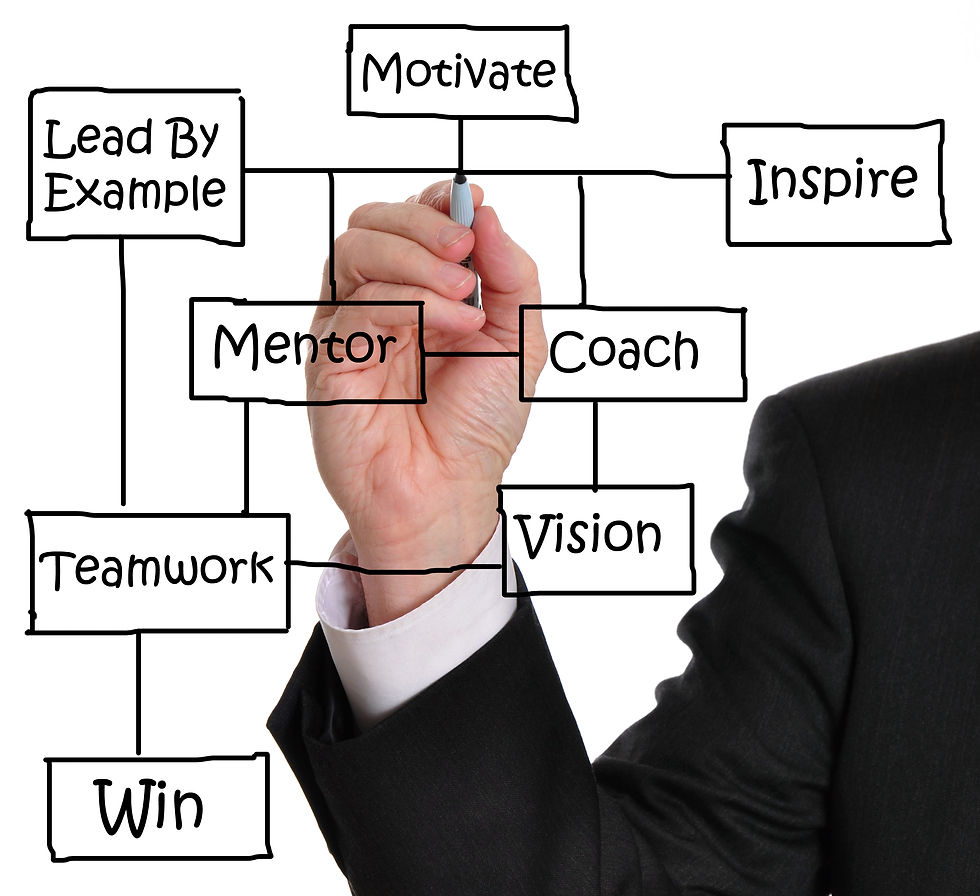
If your managers see cost as finance’s job and quality as operations’ headache, they’ll never work together. This approach helps leaders create clarity, alignment, and trust across all levels.
“The most successful transformations don’t start with process maps — they start with leadership courage.”
What Makes This Approach Different?
There are plenty of books and workshops that teach Lean. Others teach budgeting. Some focus on customer experience. This approach does all three — in one integrated, strategic program.
By the implementing this approach your organization will be able to:
1. Design strategic plans that align cost efficiency with quality performance
2. Diagnose operational waste across the full cost of quality spectrum
3. Use dashboards, KPIs, and accountability tools to sustain change
4. Lead cross-functional teams through transformation
5. Create a culture where cost, quality, and customer value reinforce each other
6. Speak the language of both the CFO and the COO — and act as a bridge between them
This is a cost-leadership transformation.
Whether you run a manufacturing operation, a tech firm, a service business, or a nonprofit — the principles in this approach can be applied. Because cost and quality are everybody’s business.
Why This Matters Now
If you’ve been watching what’s happening in the global economy, you already know: volatility is the new normal.
Costs are unpredictable
Customers expect more
Systems are under strain
Margins are shrinking
What used to work doesn’t work anymore. That’s not a reason to panic — it’s a reason to rethink. And this approach is designed to help you do just that, with confidence and clarity.


